
Successful germination of CBD seeds sets the foundation for a healthy, high-yielding hemp crop. While factors like moisture, temperature, and soil quality are well-known, one critical but often overlooked component is the seed microbiome—the community of beneficial fungi and bacteria that interact with the seed during germination. In this post, we’ll explore how microbiomes influence CBD seed germination, highlight key microbial partners, and explain practical strategies for harnessing these organisms to improve germination rates, seedling vigor, and overall plant health.
Understanding the Seed Microbiome and Germination
Every CBD seed carries both internal and external microbes, which form its microbiome. These microscopic partners play a vital role in breaking down the seed coat, suppressing pathogens, and stimulating early growth signals.
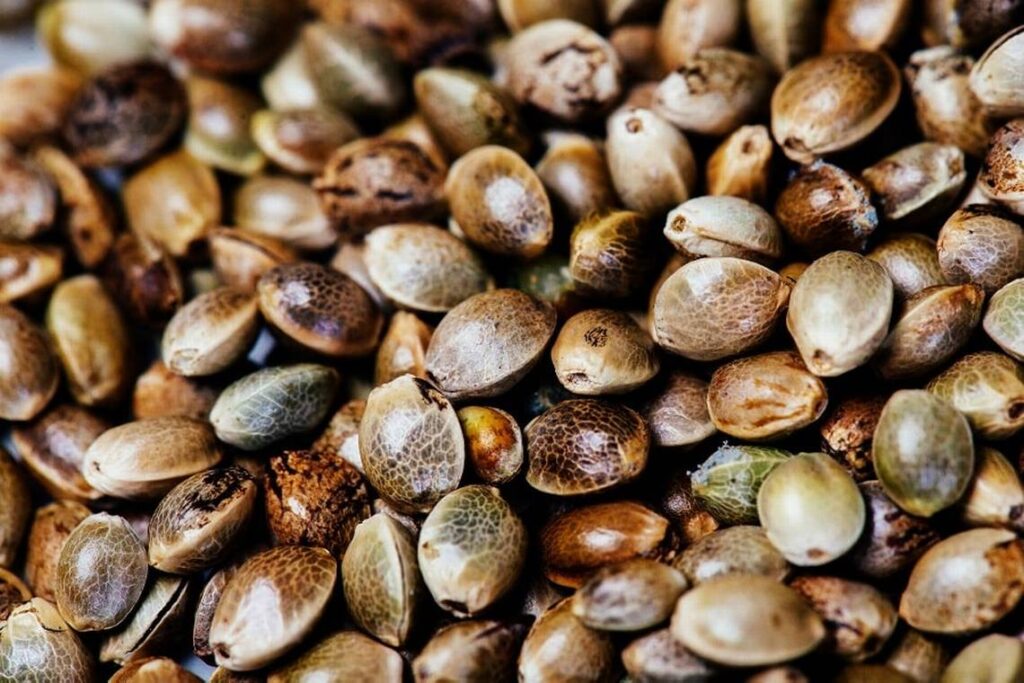
What Is a Seed Microbiome?
A seed microbiome refers to the population of bacteria and fungi that live on or inside the seed. Endophytic microbes inhabit the interior tissues, while epiphytic microbes reside on the seed coat. Together, these organisms:
- Protect the seed from harmful pathogens
- Enhance nutrient availability by producing enzymes
- Produce phytohormones (like auxins and cytokinins) that promote germination
In the context of CBD hemp seeds, a balanced microbiome can mean the difference between a healthy seedling and one that struggles with damping-off, poor root development, or slow emergence.
How Microbes Influence Germination Processes
During germination, the seed transitions from dormancy to active growth. Beneficial microbes assist in several ways:
- Seed coat softening: Certain fungi produce pectinases and cellulases that weaken the seed coat, allowing the radicle (first root) and hypocotyl (first shoot) to emerge.
- Disease suppression: Plant growth-promoting rhizobacteria (PGPR) secrete antibiotics or outcompete pathogens like Pythium and Fusarium, reducing damping-off risk.
- Hormonal stimulation: Microbes release compounds such as indole-3-acetic acid (IAA) that mimic plant hormones and accelerate the germination process.
By fostering a healthy microbial community, growers can naturally boost germination rates without relying solely on chemical treatments.
Key Beneficial Fungi for CBD Seed Germination
Certain fungal groups form symbiotic relationships with hemp seeds. Understanding their roles can guide growers in selecting or encouraging these partners in the soil.
Mycorrhizal Fungi: Nutrient and Water Enhancers
Arbuscular mycorrhizal fungi (AMF) are a common type of mycorrhiza that colonize plant roots and form arbuscules—branched structures where nutrient exchange occurs. For CBD seeds and seedlings, AMF can:
- Enhance phosphorus uptake, a nutrient critical for root and shoot development
- Improve water absorption under drought or fluctuating moisture conditions
- Increase resistance to soil-borne pathogens by creating a protective fungal network
Inoculating hemp seeds or soil with AMF spores before planting can encourage these beneficial associations and lead to more robust early growth.
Trichoderma: The Natural Biocontrol Agent
Trichoderma species are beneficial fungi known for their biocontrol properties and ability to produce enzymes that degrade pathogen cell walls. When applied to CBD seeds:
- They colonize the seed coat, outcompeting harmful fungi like Fusarium that cause damping-off
- They secrete cellulases and chitinases that break down decaying organic matter, releasing nutrients the seed can use
- They stimulate the seed’s innate defense mechanisms, priming the seedling for future stress
Grouping Trichoderma with other beneficial microbes in a seed treatment can offer a multi-layered defense and growth promotion strategy.
Rhizopus and Aspergillus: Early-Stage Symbionts
Certain soil fungi like Rhizopus and Aspergillus species can colonize the seed surface and create a microenvironment conducive to water absorption. By producing exoenzymes (such as amylases), these fungi partially digest starch reserves in the seed, releasing glucose that powers the emerging seedling. While some Aspergillus strains can be pathogenic, specific non-pathogenic variants help kick-start seed metabolism—especially in controlled seed treatments.
Key Beneficial Bacteria for CBD Seed Germination
Alongside fungi, a variety of plant growth-promoting rhizobacteria (PGPR) aid CBD seed germination. Their modes of action range from nutrient solubilization to hormonal balance.
Bacillus Species: Protectors and Stimulators
Several Bacillus strains (e.g., Bacillus subtilis, Bacillus licheniformis) are widely used as seed bioinoculants. They confer benefits by:
- Producing antimicrobial peptides that inhibit seed-borne pathogens
- Generating IAA and other phytohormones that stimulate cell division in the embryo
- Solubilizing phosphate, making this essential nutrient more available to the germinating seed
By coating CBD seeds with a Bacillus-based formulation, growers can enhance disease resistance and encourage more uniform and rapid germination.
Pseudomonas: Nutrient Liberators and Defenders
Pseudomonas fluorescens and related species function as biocontrol agents and nutrient mobilizers. They produce siderophores—molecules that chelate iron—and siderophore-mediated iron uptake helps the seedling establish a strong root system. Additionally, these bacteria can produce antibiotics like 2,4-diacetylphloroglucinol (DAPG) that suppress root pathogens during early growth.
Rhizobium and Azospirillum: Nitrogen Fixers
While hemp is not a legume, bacteria like Azospirillum brasilense can still colonize hemp rhizosphere and produce plant hormones. They also fix atmospheric nitrogen, converting it into a form the seedling can absorb. This can be particularly beneficial under low-nitrogen conditions, giving hemp seedlings a nutrient boost when they need it most.
Practical Strategies for Harnessing Beneficial Microbes
To optimize CBD seed germination using microbiomes, growers can implement several practical practices.
Seed Treatments with Microbial Inoculants
Commercial microbial inoculants often contain blends of Bacillus, Trichoderma, and AMF. To apply:
- Surface sterilize seeds before treatment to remove residual pathogens.
- Prepare a slurry by mixing inoculant powder with water and mild adhesive (like gum arabic) to help microbes stick to seeds.
- Toss seeds gently in the slurry until evenly coated, then air-dry in a shade.
- Sow seeds immediately in moist, well-aerated growing medium.
This method ensures that beneficial microbes colonize the seed surface and rhizosphere as soon as planting begins.
Soil Preparation and Compost Teas
Healthy soil is a reservoir of beneficial microbes. To encourage a microbially rich environment:
- Incorporate well-aged compost, which contains diverse microbial populations.
- Use compost tea (a water-based extract containing dissolved microorganisms) as a drench around seedlings. Aerate the tea for 24–48 hours to multiply beneficial bacteria and fungi before application.
- Avoid overuse of chemical fungicides that can decimate beneficial soil microbes.
Well-structured, microbe-rich soil helps treated seeds establish more quickly and face fewer microbial threats.
Monitoring and Adjusting Soil Conditions
Beneficial microbes thrive under specific conditions:
- Maintain soil pH between 6.0 and 7.0 for optimal fungal and bacterial activity.
- Ensure good soil aeration by avoiding excessive compaction and using permeable growing media.
- Mulch lightly with organic materials (e.g., straw or wood chips) to stabilize moisture and feed soil microbes as the mulch decomposes.
Regular soil testing for pH, moisture, and nutrient levels helps you maintain an environment where beneficial microbiomes can flourish.
Measuring Success: Germination Rates and Seedling Vigor
After implementing microbiome-based strategies, track metrics to quantify improvements.
Germination Rate
Conduct small-scale germination tests comparing treated versus untreated seeds. Record:
- Percentage of seeds that germinate within a set timeframe (e.g., 7–10 days)
- Time to 50% germination (T50)—the number of days for half the seeds to germinate
A boost in percentage or faster T50 indicates that beneficial microbes are actively aiding seed germination.
Seedling Vigor Index
Seedling vigor index (SVI) measures the combined performance of germination and early growth. Calculate by:
- Counting the total germinated seedlings after a set period.
- Measuring average seedling length (root plus shoot).
- Multiplying germination percentage by average seedling length.
A higher SVI in treated seeds suggests stronger early growth, likely due to microbial assistance in nutrient uptake and disease suppression.
Read Also : The Legalities of Buying and Growing Cannabis Seeds in Canada
Conclusion
Harnessing the power of beneficial fungi and bacteria is a game-changer for CBD seed germination. By understanding the roles of microbial partners—mycorrhizae, Trichoderma, Bacillus, and more—growers can enhance germination rates, bolster seedling vigor, and naturally protect against pathogens. Practical steps, such as seed inoculation with microbial blends, compost tea applications, and soil condition management, set the stage for healthier, more productive plants. As the demand for high-quality CBD hemp continues to grow, integrating soil microbiomes into cultivation practices will remain an essential strategy for optimizing seed germination and maximizing yield potential.