
Introduction
When it comes to cultivating cannabis, timing is everything—especially at harvest. One of the most common questions growers ask is: “When should I harvest my cannabis to get the most THC or CBD?” The truth is, the moment you choose to harvest plays a crucial role in determining the cannabinoid profile, particularly the levels of THC (tetrahydrocannabinol) and CBD (cannabidiol).
In this blog, we’ll explore how harvest timing influences the potency and chemical makeup of your cannabis plants, helping you decide when to harvest for your desired effects.
Understanding Cannabinoids and Their Development
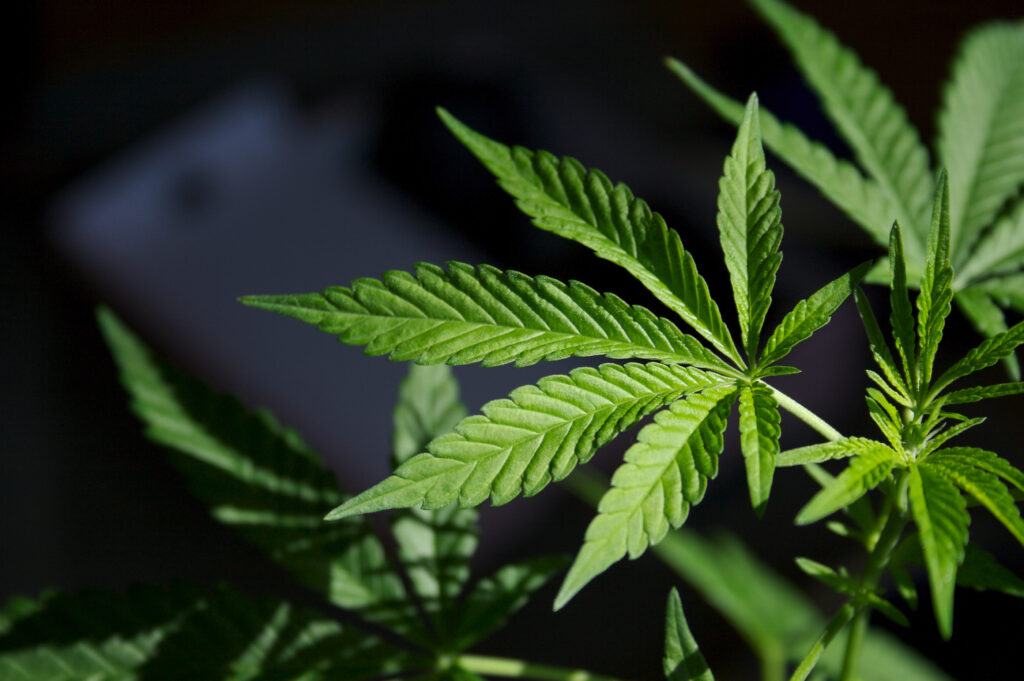
Cannabinoids like THC and CBD are produced in the trichomes—the tiny, crystal-like glands found on the surface of buds and sugar leaves. These compounds don’t develop all at once; they evolve as the plant matures. During the flowering phase, cannabinoid levels gradually increase and shift as the plant nears its peak maturity.
While genetics play a primary role in determining a plant’s THC or CBD potential, harvest timing fine-tunes the final result.
THC Levels and Harvest Timing
If your goal is to maximize THC content for a strong psychoactive effect, your harvest window must be carefully observed.
- Too early: Harvesting before trichomes fully mature results in lower THC levels. The high may feel weak, and effects can lean more toward alertness than relaxation.
- Peak THC: Trichomes appear milky white/cloudy when THC levels are at their highest. This is typically the optimal harvest time for those seeking strong, euphoric effects. Buds are also aromatic and sticky at this stage.
- Too late: As trichomes begin to amber, THC starts to degrade into CBN (cannabinol)—a compound with more sedative, body-heavy effects. While still useful, it means THC is no longer at its peak.
Best harvest time for THC-rich buds: When most trichomes are milky white with only a few turning amber.
CBD Levels and Harvest Timing
Unlike THC, CBD production is less sensitive to harvest time. However, timing still matters, especially if you’re cultivating a CBD-dominant strain.
- CBD peaks slightly earlier in the flowering stage than THC. If you’re growing for medicinal purposes and want to preserve more CBD, harvesting slightly before full THC maturity may be ideal.
- Letting the plant mature longer won’t increase CBD much, but it may lead to a more balanced cannabinoid profile, with higher levels of both CBN and terpenes.
Best harvest time for CBD-rich buds: When trichomes are still mostly clear to slightly milky, depending on the strain.
Visual Guide: What to Look For
One of the most reliable ways to determine the ideal harvest time is by examining the trichomes—the tiny, crystal-like glands on your cannabis buds and sugar leaves. These glands are where cannabinoids like THC, CBD, and CBN are produced and stored. To the naked eye, they may look like a frosty coating, but with a magnifying glass or jeweler’s loupe (ideally 30x to 60x magnification), you can assess their clarity, color, and development stage.
Here’s what to look for when inspecting your trichomes:
1. Clear Trichomes
Clear trichomes look like tiny glass bubbles. At this stage, the cannabinoids are still developing, and their potency is not yet at its peak. Harvesting now can result in underwhelming effects, lower THC and CBD content, and a more mild or uplifting high that may feel incomplete or short-lived. This stage is often too early for most growers unless you’re specifically aiming for very light, non-intoxicating effects.
2. Milky or Cloudy Trichomes
This is the sweet spot for most growers aiming for maximum THC potency. Milky or cloudy trichomes indicate that the cannabinoids have matured, and the plant is at its peak psychoactive potential. Buds harvested at this stage deliver strong, euphoric effects, enhanced aroma, and full terpene expression. If you’re cultivating for recreational use or want a cerebral, uplifting high, this is generally the ideal harvest time.
3. Amber Trichomes
As the plant matures further, some of the cloudy trichomes begin turning amber or golden brown. This color change signals that THC is degrading into CBN, a compound known for its relaxing, sedative qualities. Harvesting when 20–30% of the trichomes are amber results in a more calming, body-focused high, often preferred by those using cannabis for pain relief, sleep, or anxiety. However, if too many trichomes turn amber, the overall potency and sharpness of the high may diminish.
4. Finding Your Ideal Balance
Many experienced growers aim for a balanced mix—harvesting when about 70–80% of the trichomes are cloudy and 20–30% are amber. This provides a well-rounded effect with both mental stimulation and physical relaxation. You can even harvest different parts of the plant at different times if you want to experiment with multiple effect profiles from a single grow.
By regularly checking trichomes with a magnifying tool and understanding what the different stages mean, you gain precise control over your harvest. This not only improves the quality of your flower but also tailors the experience to your exact needs—whether that’s creative energy, deep relaxation, or balanced therapeutic relief.rs aim for 70–80% cloudy trichomes with 20–30% amber to balance potency with body relaxation.
Why This Matters
Whether you’re growing cannabis for recreational enjoyment, therapeutic relief, or precision-crafted formulations, understanding how cannabinoids develop throughout the flowering phase is key to achieving the effects you want. These chemical compounds—primarily THC and CBD—don’t remain constant as the plant matures. Instead, they evolve, degrade, and transform based on factors like time, light exposure, and environmental conditions.
Harvest too early, and your buds may contain immature trichomes with lower concentrations of active cannabinoids. This can lead to weaker effects, a diminished flavor profile, and a missed opportunity to unlock the plant’s full potential. On the other hand, harvesting too late may cause THC to break down into CBN, leading to a sedative, couch-lock sensation rather than a vibrant, euphoric high. While this may be desirable for some users—especially those looking to relieve insomnia or anxiety—it may not suit everyone.
By closely monitoring trichome development and aligning your harvest timing with your intended effects, you gain the power to customize your cannabis experience. For instance, if you’re seeking an energizing, cerebral high, you’ll want to harvest at peak THC levels when the trichomes are cloudy. If you prefer a soothing, body-heavy buzz, waiting until some of the trichomes turn amber will shift the balance toward more relaxing effects. Similarly, if you’re cultivating for CBD-rich outcomes without the high, harvesting slightly earlier during the milky-clear trichome stage can help preserve more cannabidiol.
In short, cannabis isn’t one-size-fits-all—and neither is your harvest schedule. Timing your harvest with precision allows you to create flower that matches your goals, whether you’re crafting the perfect joint, tincture, edible, or topical. This knowledge empowers growers at every level to produce cannabis that’s tailored, effective, and intentional.
Final Tips for Accurate Harvesting
- Use a loupe or microscope to inspect trichomes regularly.
- Track strain-specific flowering times to estimate peak windows.
- Harvest in stages if needed—especially if you’re experimenting with different effects.
- Label and test small batches to learn how timing affects potency and profile.
Also Read: The Role of Microbiomes in CBD Seed Germination: Harnessing Beneficial Fungi and Bacteria
Conclusion
Harvesting cannabis is both a science and an art. By learning how THC and CBD levels shift as your plants mature, you gain control over the final product’s effect. Whether you’re chasing the clear-headed calm of CBD or the powerful punch of THC, the right harvest time helps you get exactly what you want from your crop.