
Introduction
CBD oil has rapidly grown in popularity as more people seek natural alternatives to support their health and wellness. From reducing anxiety and improving sleep to managing pain and inflammation, cannabidiol (CBD), the non-intoxicating compound derived from the hemp plant, is being hailed as a versatile supplement. But while its benefits are widely discussed, one important question remains: Is CBD oil safe for daily use?
In this blog, we’ll explore what scientific studies, medical experts, and health organizations have to say about the long-term and daily use of CBD oil. We’ll break down how it works in the body, its potential side effects, and what you should consider before making it a regular part of your wellness routine.
Understanding CBD Oil
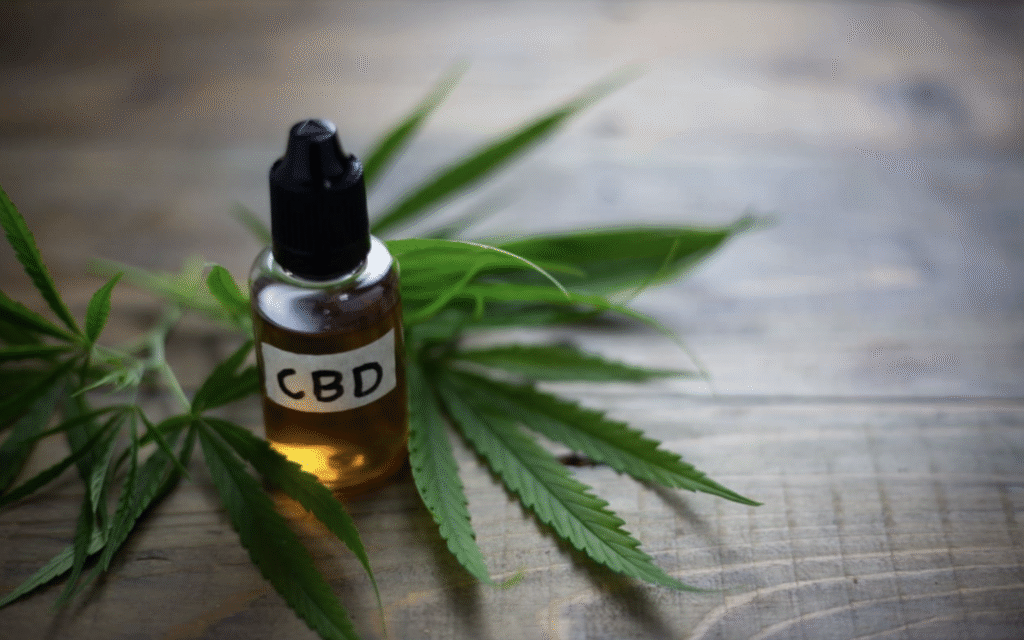
Before diving into daily use, it’s important to understand what CBD oil is. CBD (cannabidiol) is a naturally occurring cannabinoid found in the cannabis plant, particularly hemp. Unlike THC (tetrahydrocannabinol), CBD does not cause a “high.” CBD oil is typically made by extracting CBD from hemp and diluting it with a carrier oil like coconut or hemp seed oil.
People use CBD oil for various health reasons including:
- Anxiety and stress
- Chronic pain
- Inflammation
- Insomnia and other sleep issues
- Epilepsy and seizures
- Skin health
How CBD Works in the Body
CBD interacts with the body’s endocannabinoid system (ECS) — a complex cell-signaling system that helps regulate vital functions like sleep, mood, appetite, pain response, and immune system performance. The ECS is made up of endocannabinoids (natural chemicals produced by the body), cannabinoid receptors (CB1 and CB2), and enzymes that break down these compounds.
When you take CBD, it doesn’t bind directly to cannabinoid receptors like THC does. Instead, it influences the ECS to promote balance, or homeostasis, by enhancing the body’s natural processes. This interaction is why many users report feeling more calm, less pain, or better sleep after using CBD.
Is It Safe to Use CBD Oil Every Day?
According to current research and expert opinions, CBD oil is generally considered safe for daily use, especially when used in moderate doses. Most people tolerate it well and experience minimal side effects. However, just like any supplement or wellness product, safety depends on factors like:
- Dosage
- Individual health condition
- Quality of the product
- Method of consumption
- Drug interactions
Let’s explore each of these considerations in more detail.
What the Research Says
Numerous studies have evaluated the safety of CBD in both short-term and long-term scenarios.
1. WHO Report on CBD
In a 2018 report, the World Health Organization (WHO) stated that “CBD is generally well tolerated with a good safety profile.” The report found no evidence of public health-related problems associated with pure CBD and concluded that it is not associated with abuse potential.
2. Clinical Trials and Studies
Clinical trials and user studies have also shown positive safety outcomes:
- A 2019 study published in The Permanente Journal showed that adults who used CBD daily experienced reduced anxiety and improved sleep with few side effects.
- Another study published in Cannabis and Cannabinoid Research in 2017 reviewed human and animal studies and concluded that CBD has a favorable safety profile, even at high doses (up to 1500 mg/day).
While more long-term studies are needed, the current research points to CBD being safe for ongoing use in most individuals.
Potential Side Effects of Daily CBD Use
Though CBD is well-tolerated by most users, it’s not entirely free of side effects. Some mild side effects include:
- Dry mouth
- Drowsiness or fatigue
- Lightheadedness
- Diarrhea
- Changes in appetite or weight
These effects are usually temporary and may subside as your body adjusts to the supplement. Most issues occur when taking high doses or low-quality products.
CBD and Medication Interactions
CBD can interact with certain medications, particularly those metabolized by the liver enzyme CYP450, such as:
- Blood thinners (e.g., warfarin)
- Anti-seizure drugs
- Antidepressants
- Antipsychotics
These interactions can alter the way your body processes medications, potentially increasing side effects or reducing effectiveness. That’s why it’s crucial to consult a healthcare provider if you’re on prescription medications and want to use CBD daily.
Also Read: Uncommon Hybrid Strains and Their Unique Benefits
Factors to Consider Before Taking CBD Oil Daily
If you’re thinking of incorporating CBD oil into your daily routine, keep the following in mind:
1. Start Low and Go Slow
Begin with a small dose (5–10 mg) and observe how your body reacts. Increase gradually until you find your “sweet spot.”
2. Choose the Right Product
There are different types of CBD products:
- Full-spectrum: contains CBD plus other cannabinoids, including trace THC.
- Broad-spectrum: similar to full-spectrum but without THC.
- Isolate: pure CBD with no other cannabinoids.
Each has different effects, and your choice will depend on your comfort with THC and desired outcomes.
3. Consistency Is Key
Daily use may provide better results over time. CBD builds up in your system, which can lead to more stable benefits when taken consistently.
4. Buy from Trusted Brands
Due to a lack of regulation in the CBD market, always look for brands that:
- Provide third-party lab results (COA)
- Use organically grown hemp
- Clearly label dosage and ingredients
Who Should Avoid Daily CBD Use?
While CBD is safe for most adults, a few groups should be cautious:
- Pregnant and breastfeeding women: Not enough research has been done to confirm safety.
- People with liver disease: CBD may increase liver enzymes in high doses.
- Individuals taking medications: Consult your doctor before starting CBD if you’re on prescription drugs.
Conclusion
Based on current evidence and expert guidance, CBD oil is safe for daily use for most adults, especially when taken in the appropriate dosage and sourced from reputable brands. While mild side effects may occur, they are usually manageable and short-lived. The key to success with CBD lies in consistency, quality, and personalization—finding the dose and product that works best for your body.
If you’re considering using CBD daily, especially for managing chronic conditions like anxiety, pain, or sleep issues, it’s a good idea to consult with a healthcare professional. With the right approach, CBD oil can become a valuable addition to your wellness toolkit.