
Introduction
Growing high-CBD cannabis isn’t just about choosing the right seeds—it’s about creating the right environment for those seeds to reach their full potential. Soil, pH, and nutrients play a direct role in how well your plants absorb minerals, develop cannabinoids, and ultimately produce buds rich in CBD. When any of these elements are off-balance, your plants can struggle, grow slowly, or lose potency.
If you’re serious about maximizing CBD content and getting healthy, resin-rich flowers, understanding these fundamental factors is essential. Let’s break down what really matters and how you can set up your grow for success.
Why Soil Quality Matters for High-CBD Plants
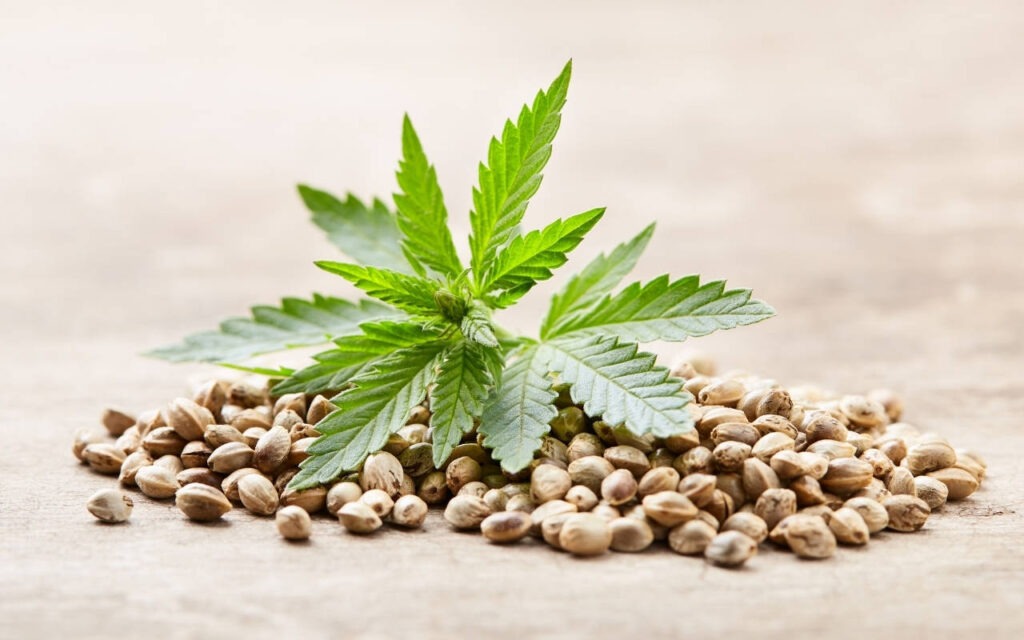
Soil is more than just a growing medium—it’s the foundation your CBD plants rely on for structure, nutrients, water retention, and microbial support. The better your soil, the more efficiently your plants can grow and produce cannabinoids.
1. Choose a Well-Aerated Soil Mix
High-CBD cannabis thrives in soil that allows roots to breathe. Good aeration encourages:
- Faster root expansion
- Stronger nutrient uptake
- Improved water drainage
- Better microbial activity
A simple, effective mix includes:
- Coco coir or peat moss
- Perlite
- Compost
- Worm castings
This blend supports both water retention and drainage, keeping roots happy.
2. Look for Rich Organic Matter
Organic soil ingredients slowly release nutrients, promoting steady growth. Components like compost, bat guano, or kelp meal help your plant build strong stems and resin-rich buds.
3. Microbial Life Makes All the Difference
Living soil is one of the best environments for CBD-rich plants. Beneficial microbes help:
- Break down organic matter
- Transport nutrients to roots
- Improve resistance to stress
Healthy soil biology can boost CBD production by keeping the plant balanced and thriving throughout its lifecycle.
The Importance of pH for Optimal CBD Levels
Even if your soil is rich and your nutrients are top-tier, none of it matters if your pH is off. pH determines how well your plant absorbs minerals. A misaligned pH locks out essential nutrients, causing deficiencies and stunted cannabinoid development.
Ideal pH Range for High-CBD Cannabis
For soil-grown CBD plants, the sweet spot is:
➡️ 6.0 to 7.0 (ideally around 6.3–6.5)
Within this range, your plants can absorb:
- Nitrogen
- Phosphorus
- Potassium
- Magnesium
- Calcium
- Micronutrients
A pH below 6.0 or above 7.0 can trap nutrients in the soil, even if you’re providing them correctly.
How to Maintain Stable pH
- Test your soil regularly with pH strips or a digital meter
- pH-up and pH-down solutions help correct imbalances
- Avoid overfeeding nutrients—they can alter pH levels
- Use filtered or pH-balanced water when possible
Consistent pH equals consistent cannabinoid production.
Nutrients: Fuel for Healthy CBD Production
CBD plants need the right nutrients at the right time. Overfeeding or underfeeding can harm cannabinoid development, growth rate, and bud structure.
1. Primary Nutrients (N-P-K)
Nitrogen (N)
Supports leafy growth during the vegetative stage. Too much during flowering can reduce bud density and lower CBD potency.
Phosphorus (P)
Essential for root development and bud formation. High-CBD plants rely heavily on phosphorus during flowering.
Potassium (K)
Boosts overall plant health, improves stress resistance, and enhances cannabinoid production.
2. Secondary Nutrients
- Calcium strengthens cell walls
- Magnesium supports chlorophyll production
- Sulfur improves terpene and cannabinoid synthesis
These nutrients help your plant produce the rich aromas and CBD levels growers aim for.
3. Micronutrients
Small amounts of iron, manganese, zinc, and boron support enzyme activity and metabolism.
While they’re needed in smaller quantities, deficiencies can still impact CBD concentration and plant growth.
Feeding Tips for High-CBD Plants
To keep feeding smooth and balanced, follow these guidelines:
- Start with nutrient-rich soil to reduce early feeding needs
- Use cannabis-specific nutrient formulas for best results
- Feed lightly during the first few weeks
- Increase phosphorus and potassium as flowering begins
- Flush plants with clean water before harvest to improve flavor and purity
Balanced nutrition leads to denser buds, stronger aromas, and stable CBD percentages.
How These Three Factors Work Together
Here’s the bigger picture:
- Soil provides structure and nutrients
- pH determines nutrient availability
- Nutrients fuel growth and cannabinoid production
If one is out of balance, the whole process suffers. But when they align, your plants can express their full genetic potential—and that’s where the true CBD richness comes from.
Also Read: Top 5 Mistakes to Avoid When Growing CBD Seeds at Home
Final Thoughts
Growing high-CBD cannabis isn’t about complicated techniques—it’s about understanding the basics and giving your plants a stable, nutrient-rich environment. With quality soil, a stable pH, and the right nutrients, you set your plants up to deliver potent, flavorful, CBD-rich buds every time.