
Growing CBD seeds at home can be a rewarding experience, offering the satisfaction of cultivating your own plants for natural wellness. However, CBD-rich hemp plants require a delicate balance of light, water, nutrients, and timing. A small misstep can impact the plant’s cannabinoid profile, yield, and overall quality.
Whether you’re growing CBD for personal use or experimenting with home cultivation, avoiding common mistakes can help you achieve healthier plants and a more potent CBD harvest. In this guide, we’ll explore the top five mistakes beginner growers make when cultivating CBD seeds at home—and how you can avoid them for a successful, stress-free grow.
Mistake #1: Choosing the Wrong Type of CBD Seeds
Not all CBD seeds are created equal. The first—and perhaps most important—step in home cultivation is selecting the right seeds for your growing conditions and goals.
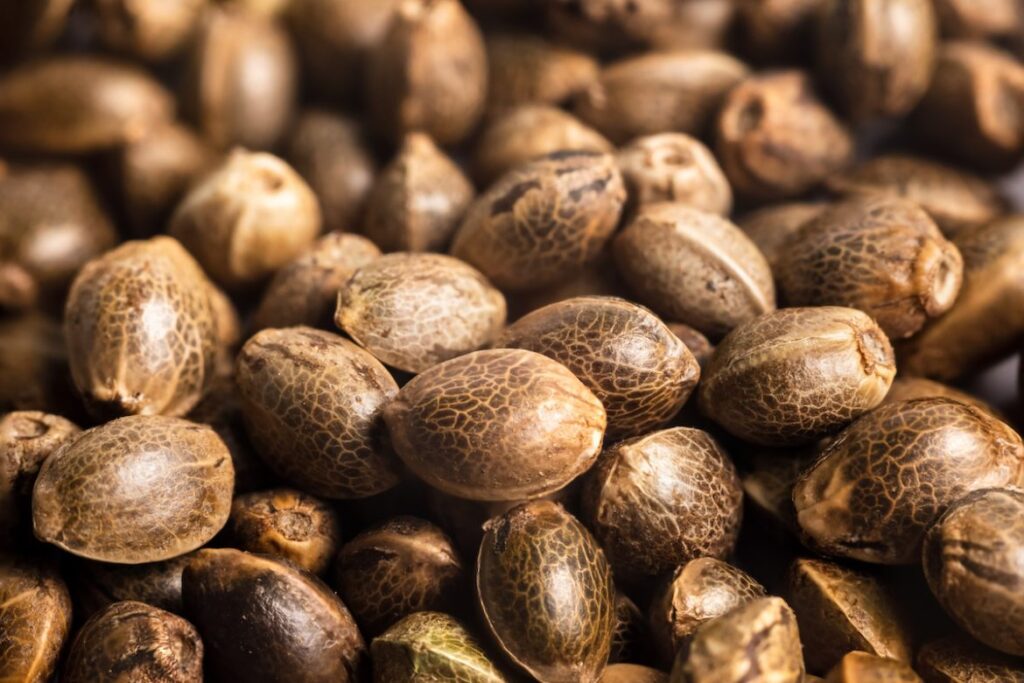
Understand Seed Types
There are three main types of CBD seeds:
- Feminized seeds produce only female plants, which are the ones that generate high-CBD flowers.
- Regular seeds can grow into either male or female plants, requiring you to identify and remove males early to prevent pollination.
- Auto-flowering seeds transition from the vegetative to the flowering stage automatically, making them easier for beginners to manage.
Many beginners make the mistake of buying random hemp or cannabis seeds without checking the CBD-to-THC ratio or the strain’s genetic stability. This can lead to low CBD yield or plants that don’t meet legal THC limits.
How to Avoid This Mistake
Buy your seeds from reputable breeders or certified suppliers who provide lab-tested genetics and clear cannabinoid profiles. Look for high-CBD, low-THC strains that fit your growing space, light availability, and climate.
Mistake #2: Overwatering or Underwatering the Plants
Water is essential for healthy CBD plant growth, but many beginners overcompensate, thinking “more water equals better growth.” In reality, overwatering suffocates roots and encourages root rot, while underwatering leads to nutrient deficiencies and stunted plants.
The Right Way to Water CBD Plants
CBD-rich hemp plants thrive in moist but well-drained soil. A good rule of thumb is to water when the top inch of soil feels dry. During early growth, plants need frequent but light watering. As they mature, they require deeper, less frequent watering to encourage strong root systems.
How to Avoid This Mistake
- Use pots with drainage holes to prevent water buildup.
- Check soil moisture before watering—don’t follow a rigid schedule.
- Consider using pH-balanced water (6.0–7.0) to avoid nutrient lockout.
Proper hydration ensures your CBD plants can absorb nutrients efficiently, leading to more vibrant leaves and better bud development.
Mistake #3: Ignoring Light Requirements
Light is one of the most critical factors in CBD plant growth. Insufficient or inconsistent lighting can severely limit your yield and cannabinoid content.
Understanding Light Cycles
CBD hemp plants follow a natural cycle:
- Vegetative stage: Needs 18–24 hours of light per day to grow stems and leaves.
- Flowering stage: Requires 12 hours of light and 12 hours of uninterrupted darkness to produce CBD-rich buds.
Beginners often make the mistake of not providing enough light or exposing plants to constant light without darkness, which disrupts their natural rhythm.
How to Avoid This Mistake
If growing indoors, invest in full-spectrum LED grow lights, which mimic sunlight and support all stages of growth. Position the lights at the correct distance from the canopy—too close can burn leaves, while too far limits photosynthesis.
For outdoor growers, ensure your plants receive at least 6–8 hours of direct sunlight daily. Avoid shaded areas or spots with inconsistent light exposure.
Mistake #4: Overfeeding or Mismanaging Nutrients
Nutrients play a vital role in helping CBD plants grow strong and produce rich, resinous buds. However, too much fertilizer can cause nutrient burn, while too little can lead to weak plants.
The Importance of Balanced Feeding
CBD hemp plants need a balanced mix of nitrogen (N), phosphorus (P), and potassium (K), along with secondary nutrients like calcium, magnesium, and sulfur. During the vegetative stage, plants need more nitrogen; during flowering, they need higher phosphorus and potassium levels.
How to Avoid This Mistake
- Use organic or hemp-specific fertilizers designed for CBD cultivation.
- Start with low nutrient concentrations and increase gradually.
- Monitor plant leaves—yellowing, curling, or burnt tips indicate nutrient imbalance.
- Flush the soil with plain water occasionally to prevent salt buildup.
Maintaining the right nutrient balance ensures healthier plants and maximizes CBD production.
Mistake #5: Harvesting Too Early or Too Late
Timing is everything when it comes to harvesting CBD plants. Many home growers, eager to see results, harvest too early—before the plant has reached its full cannabinoid potential. Others wait too long, resulting in degraded CBD levels and altered effects.
Identifying the Right Harvest Time
The best time to harvest CBD hemp is when trichomes (the tiny crystals on buds) turn from clear to milky white, with a few turning amber. This indicates peak cannabinoid content. If most trichomes are still clear, the plant isn’t ready; if they’re mostly amber, the CBD may have started to degrade.
How to Avoid This Mistake
- Use a magnifying glass or jeweler’s loupe to inspect trichomes.
- Follow your strain’s recommended flowering time, but use visual cues as confirmation.
- After harvesting, dry and cure your buds slowly in a dark, ventilated area to preserve potency and flavor.
Proper timing ensures your CBD flowers deliver the optimal balance of cannabinoids and terpenes for effectiveness and aroma.
Bonus Tip: Monitor Legal Limits and Documentation
While growing CBD seeds at home may be allowed in some regions, it’s important to stay informed about local hemp cultivation laws. In many countries and states, only hemp plants containing less than 0.3% THC are legal to grow. Always keep documentation from seed suppliers and lab testing if needed for verification.
Compliance not only keeps you on the right side of the law but also builds trust if you plan to share or sell your products.
Read Also : The Legalities of Buying and Growing Cannabis Seeds in Canada
Conclusion: Grow Smart, Harvest Better
Home cultivation of CBD seeds can be a deeply fulfilling journey—if done with patience and attention to detail. By avoiding these common mistakes—selecting poor-quality seeds, mismanaging water, neglecting light, overfeeding, or harvesting too soon—you set yourself up for success from seed to harvest.
Each plant is unique, and learning to read its signals will improve your growing skills over time. With the right knowledge and care, your CBD garden can thrive, producing potent, aromatic flowers packed with wellness benefits.
Start small, stay consistent, and soon you’ll be enjoying the satisfaction of cultivating your own premium CBD plants right at home.