
Cannabidiol (CBD) seed oil content varies widely among hemp cultivars, driven by both inherited genetics and cultivation conditions. Understanding how genotype and environment interact enables growers and breeders to optimize oil yield and potency. In this article, we explore the biological mechanisms determining CBD levels, delve into genetic factors that influence cannabinoid profiles, examine environmental variables that shape oil content, and provide practical guidance for maximizing CBD seed oil in commercial and home grows.
Understanding CBD Seed Oil Content
CBD seed oil content refers to the concentration of cannabidiol and associated compounds (terpenes, flavonoids) found in the pressed oil derived from hemp seeds. Although mature seeds contain relatively low cannabinoids compared to flowers, processing whole-plant hemp—including leaves and trichome-bearing parts—increases oil yield. Two key classes of compounds define oil quality: cannabinoids (CBD, THC, CBG) and terpenes (myrcene, limonene, pinene), both of which contribute therapeutic benefits and flavor.
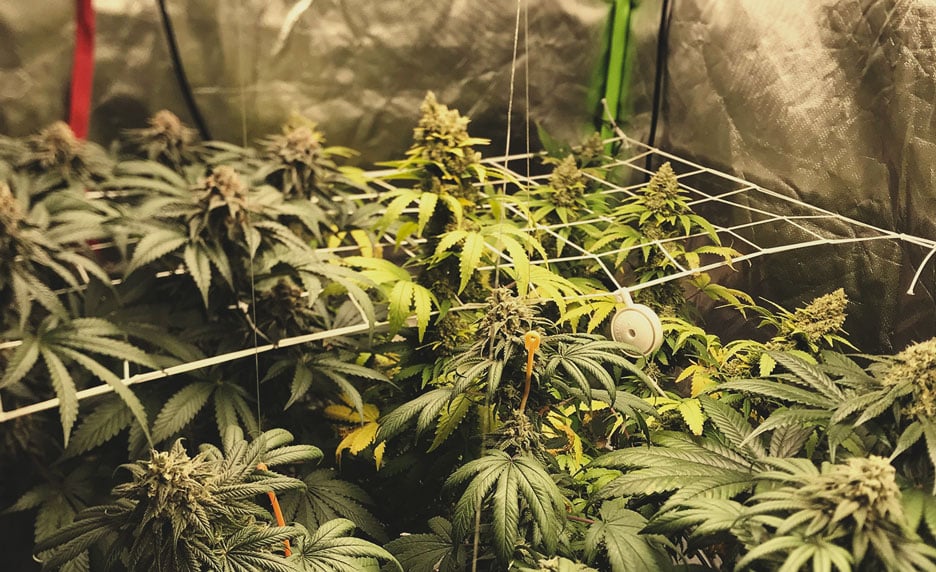
What Determines Oil Composition: Cannabinoids and Terpenes
Cannabinoids are synthesized in glandular trichomes, primarily on flowers and leaves. CBD accumulates through enzymatic conversion of cannabigerolic acid (CBGA) by CBD synthase (CBDAS) enzymes. Terpenes derive from the mevalonate pathway, producing aromatic compounds. Seed oil contains fatty acids (linoleic, oleic) as the bulk carrier, but the minor fraction of cannabinoids and terpenes sets hemp oil apart in health markets. Genetic capacity for enzyme expression and plant morphology dictate how much of these minor compounds enter harvested biomass and oil.
Genetic Factors Influencing CBD Content
Genetics sets the upper limit for potential CBD oil content. Breeders select hemp strains with high CBDAS gene expression and minimal THC synthase (THCAS) to meet legal THC thresholds (<0.3% dry weight in Canada). Genetic diversity among cultivars yields a spectrum of oil profiles.
Role of Plant Genotype and Strain Selection
Each hemp strain, or cultivar, carries a unique genome influencing trichome density, CBDAS gene copies, and terpene synthase variants. High-CBD cultivars—such as ‘Charlotte’s Web’ or ‘ACDC’—exhibit multiple CBDAS alleles and vigorous trichome production. Genetic testing (PCR-based assays) identifies these traits in seedlings, allowing early selection. Breeding programs cross individuals with complementary traits—disease resistance, fast flowering, high CBD—to develop stable lines that consistently deliver desired oil profiles.
Breeding for High CBD: Phenotype Selection and Stable Cultivars
Phenotype selection involves growing hundreds of plants, measuring their CBD content via HPLC, and advancing only top performers. Over successive generations, breeders fix desirable traits, reducing variability. Modern techniques like marker-assisted selection (MAS) speed this process by linking genetic markers to high-CBD phenotypes. As a result, commercial seed banks now offer certified feminized seeds with predictable CBD yields, simplifying large-scale oil production.
Environmental Conditions Shaping Oil Profiles
Even with elite genetics, environment plays a crucial role. Light intensity, temperature, soil nutrition, and water availability influence trichome development and cannabinoid synthesis.
Effects of Light and Temperature
High-intensity light (full-spectrum LEDs or natural sunlight) boosts photosynthesis and trichome density, leading to greater CBD accumulation. Photoperiod also affects flowering time; a shorter day cycle triggers trichome formation. Temperature extremes, however, can stress plants: optimal daytime highs of 24–28 °C and nighttime lows of 15–18 °C favor balanced cannabinoid biosynthesis. Excessive heat (>32 °C) or cold (<10 °C) can degrade CBD and inhibit enzyme function.
Soil Nutrients and Water Management
Macro- and micronutrients support CBD production. Nitrogen promotes vegetative growth but must taper during flowering to encourage trichome formation. Phosphorus and potassium bolster flower health and metabolic pathways. Soil pH between 6.0–7.0 ensures nutrient availability. Controlled water stress—brief drought cycles—can signal secondary metabolite production, raising CBD levels, but must be carefully managed to avoid plant damage.
Genotype-Environment Interactions
The interplay between genetics and environment—G×E—determines final oil content. Even identical clones exhibit different CBD levels when grown under varying conditions.
Epigenetics and CBD Expression Variation
Environmental cues can alter gene expression through epigenetic modifications, such as DNA methylation, affecting CBDAS activity. Stressors like UV light or mild drought may upregulate terpene synthases, subtly shifting oil profiles. Ongoing research explores how to harness epigenetic priming—pre-treating mother plants—to produce offspring with enhanced cannabinoid potential.
Case Studies: High-CBD Cultivation Trials
In a recent Canadian study, two high-CBD cultivars grown in greenhouse versus outdoor settings showed 15% higher CBD levels under controlled LED lighting, highlighting the benefit of tailored environments. Trials also demonstrated that nutrient foliar sprays mid-flower increased CBD content by up to 10%, illustrating targeted interventions to boost oil yield.
Practical Tips for Growers to Maximize CBD Oil Content
Armed with scientific insights, growers can implement strategies to optimize both genetics and environment for superior CBD seed oil production.
Choosing the Right Seeds and Strains
Purchase certified feminized seeds from reputable banks with documented HPLC reports. Select cultivars bred for high CBD and low THC compliance in Canada. Where possible, begin with clones from top-performing mother plants to minimize genetic variability.
Optimizing Cultivation Practices
Invest in full-spectrum LED lighting with controllable spectra to mimic outdoor daylight and maximize trichome density. Monitor temperature and humidity closely, keeping conditions within optimal ranges. Use soil and foliar nutrient programs that adjust NPK ratios for vegetative and flowering stages. Apply controlled water stress protocols late in flowering to induce secondary metabolite synthesis without compromising yield.
Read Also : How CBD Seeds Are Processed and Their Role in CBD Oil Production
Conclusion
CBD seed oil content emerges from the dynamic interplay between inherent genetics and the cultivation environment. By selecting cultivars with robust CBDAS gene expression, harnessing advanced breeding techniques, and fine-tuning environmental factors—light, temperature, soil, and water—growers can push oil potency to new heights. Embracing G×E insights and implementing best practices ensures consistent, high-quality CBD seed oil production, meeting market demands and regulatory standards in Canada and beyond.