
The rise of CBD products has led many people to explore growing their own plants. Whether for personal use or small-scale farming, the first decision a grower faces is whether to cultivate CBD seeds indoors or outdoors. Both approaches have their advantages and challenges, and the right choice often depends on your goals, environment, and resources.
In this guide, we’ll explore the differences between indoor and outdoor growing, highlighting the pros, cons, and best practices to help you make an informed decision.
Understanding CBD Seed Cultivation
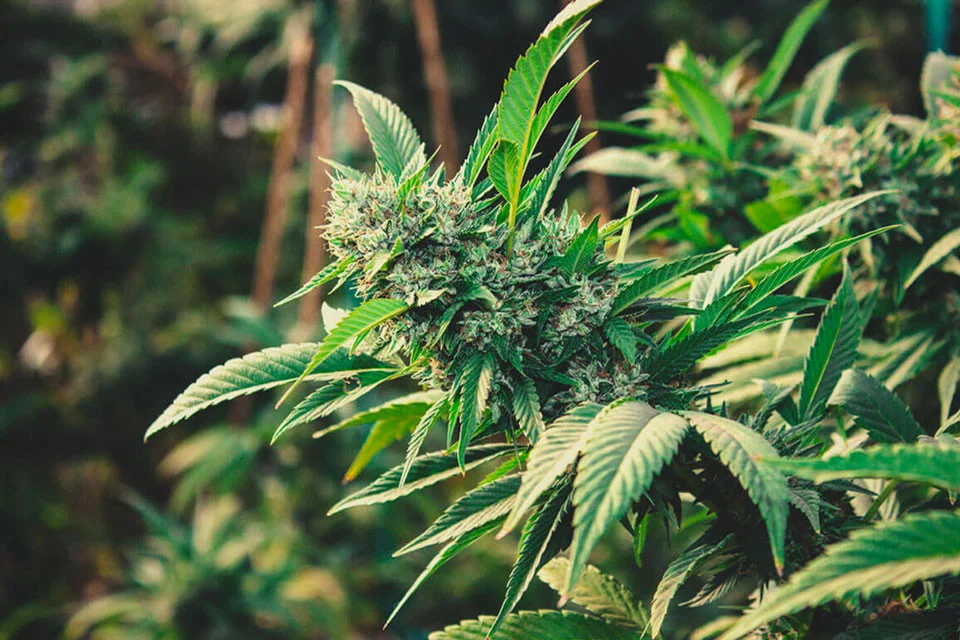
CBD seeds are specifically bred to produce plants rich in cannabidiol (CBD) and low in tetrahydrocannabinol (THC). These seeds can grow into healthy plants under the right conditions, but their yield, potency, and quality heavily depend on the growing environment.
Before diving into the comparison, it’s important to understand that CBD plants require proper light, water, nutrients, and care regardless of where they are grown. The main difference lies in how much control you have over these factors.
Indoor Growing of CBD Seeds
Indoor cultivation allows growers to recreate natural conditions within a controlled environment. With grow lights, ventilation, and temperature regulation, you can create the ideal setup for CBD-rich plants.
Advantages of Indoor Growing
One of the biggest benefits of indoor cultivation is control. You can regulate temperature, humidity, and lighting cycles, which often leads to higher-quality CBD flowers. Indoor environments also protect plants from pests, unpredictable weather, and pollution.
Additionally, indoor growing is discreet. For individuals who live in urban areas or places with limited outdoor space, growing indoors ensures privacy and security.
Challenges of Indoor Growing
The main drawback of indoor cultivation is cost. Setting up grow lights, fans, and irrigation systems requires significant investment. Electricity bills also tend to be higher, especially during the flowering phase.
Indoor growing also requires constant monitoring. Beginners may find it overwhelming to balance light cycles, nutrients, and ventilation. Without proper care, plants may suffer from mold, nutrient deficiencies, or stunted growth.
Outdoor Growing of CBD Seeds
Outdoor growing relies on natural sunlight, fresh air, and the soil in your garden or farm. This method has been used for centuries and remains popular for those looking to grow CBD seeds at scale.
Advantages of Outdoor Growing
The biggest benefit of outdoor cultivation is cost-effectiveness. Sunlight is free, and in fertile soil, plants can thrive without expensive nutrient supplements. Outdoor-grown plants also tend to grow larger, producing higher yields per plant compared to indoor cultivation.
Outdoor growing also enhances sustainability. With less reliance on electricity and artificial equipment, it’s an eco-friendly option for growers who want to reduce their carbon footprint.
Challenges of Outdoor Growing
The main disadvantage is unpredictability. Outdoor plants are vulnerable to weather changes, pests, and diseases. Heavy rain, drought, or sudden temperature drops can damage crops.
Another concern is security. Outdoor fields are more visible and may attract unwanted attention, especially in regions where regulations are strict. Additionally, outdoor growing seasons are limited to specific times of the year, making it less flexible than indoor setups.
Comparing Quality and Yield
When it comes to quality, indoor-grown CBD plants generally have an edge. Controlled conditions allow flowers to develop with higher cannabinoid content and better visual appeal. Indoor buds are usually denser and more aromatic, making them highly desirable in premium CBD markets.
On the other hand, outdoor plants tend to produce higher yields per plant due to their natural growth space. However, the overall cannabinoid profile may vary depending on environmental conditions, and the flowers may not be as visually consistent as indoor-grown ones.
Cost Considerations
For hobby growers or beginners, outdoor cultivation can be a low-cost way to start experimenting with CBD seeds. With minimal investment, you can learn the basics and still enjoy decent yields.
Indoor cultivation, while costly, pays off for growers seeking consistent quality. The upfront investment in equipment can be seen as a long-term strategy for producing premium CBD flowers with higher market value.
Legal and Regional Factors
Before choosing between indoor and outdoor cultivation, always check local laws. In some regions, growing CBD plants outdoors may be restricted or require specific licenses. Indoor growing often offers more privacy and compliance flexibility in regulated areas.
Geography also matters. Those living in colder or wetter climates may struggle to grow outdoors, while those in sunny regions may find it easier to cultivate healthy crops without heavy investment.
Which Method Is Better for You?
The choice between indoor and outdoor growing depends on your priorities. If you want premium-quality CBD flowers with consistent cannabinoid levels and are willing to invest in infrastructure, indoor growing is likely the better choice.
However, if you’re looking for affordability, sustainability, and large yields, outdoor cultivation can be the ideal route—provided you have the right climate and space.
Tips for Maximizing Success
Indoor Growing Tips
- Use full-spectrum LED grow lights for better energy efficiency.
- Invest in a reliable ventilation system to prevent mold.
- Stick to a consistent light and dark cycle for optimal flowering.
Outdoor Growing Tips
- Choose strains suited to your local climate.
- Protect your plants with organic pest control methods.
- Plant in nutrient-rich soil and use natural fertilizers when needed.
Read Also : How to Extract CBD from Your Cannabis Plants at Home
Final Thoughts
Both indoor and outdoor growing methods have unique benefits for cultivating CBD seeds. Indoor setups offer control, discretion, and premium quality, while outdoor cultivation provides cost efficiency, sustainability, and higher yields.
Your decision should be based on your budget, location, and goals as a grower. By weighing the pros and cons of each approach, you can choose the method that aligns best with your needs and ensures a rewarding CBD growing experience.