
Growing cannabis is a rewarding experience, and many growers enjoy the challenge of cultivating multiple strains simultaneously. Whether you’re looking to diversify your harvest, experiment with different flavors and effects, or simply maximize your grow space, growing multiple cannabis strains together can be a great way to enhance your cultivation journey. However, it requires careful planning and attention to detail to ensure that each strain thrives. In this blog post, we’ll explore the key considerations, challenges, and best practices for growing multiple cannabis strains together.
Why Grow Multiple Cannabis Strains?
Before diving into the how-to, let’s explore why you might want to grow multiple cannabis strains together:
- Diversity in Effects: Different strains offer various effects, from relaxation and pain relief to creativity and energy. Growing multiple strains allows you to tailor your harvest to your specific needs or preferences.
- Flavor and Aroma Variety: Cannabis strains come in a wide range of flavors and aromas. Growing different strains gives you the opportunity to enjoy a diverse sensory experience.
- Maximizing Space: If you have limited grow space, growing multiple strains can help you make the most of it by optimizing the canopy and light distribution.
- Experimentation: For growers who enjoy experimenting, growing multiple strains provides the chance to compare growth patterns, yields, and effects side by side.
Key Considerations When Growing Multiple Strains
While growing multiple cannabis strains together can be rewarding, it also presents unique challenges. Here are the key considerations to keep in mind:
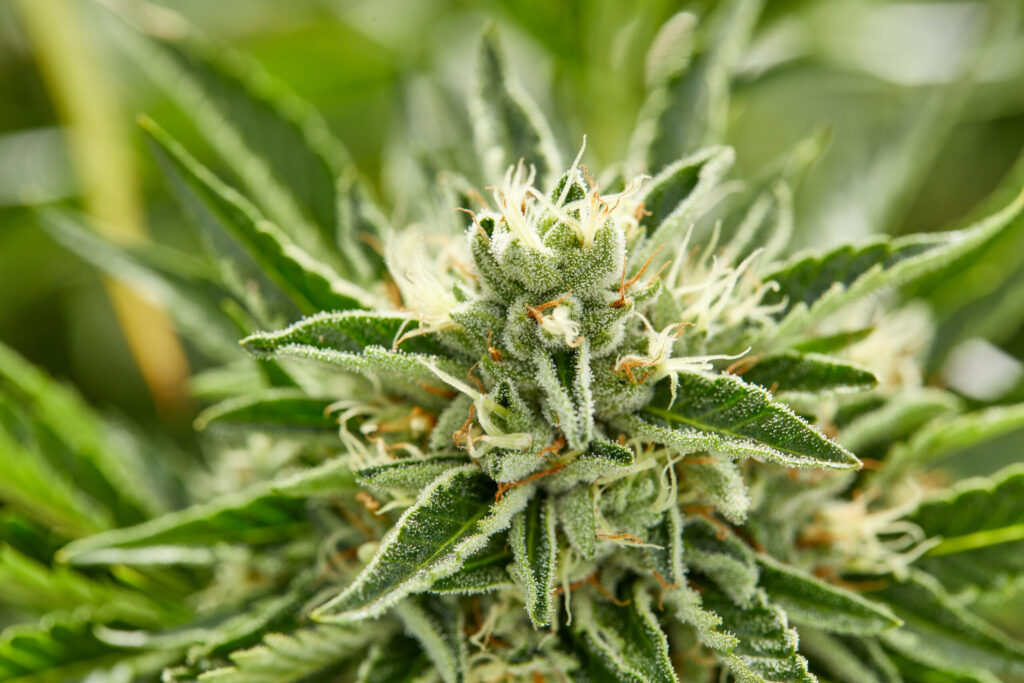
1. Growth Patterns and Plant Size
Different cannabis strains have varying growth patterns, heights, and canopy structures. Indica strains tend to be shorter and bushier, while sativa strains are often taller and more slender. Autoflowering strains, on the other hand, have a predetermined life cycle and may grow smaller.
- Solution: Group strains with similar growth patterns together to maintain an even canopy. This ensures that all plants receive equal light distribution. You can also use training techniques like topping, low-stress training (LST), and the Screen of Green (SCROG) method to manage height differences.
2. Flowering Time
Cannabis strains have different flowering times, ranging from as short as 7 weeks to as long as 14 weeks or more. This means that some strains will be ready for harvest sooner than others.
- Solution: Choose strains with similar flowering times if you want a more synchronized harvest. If you prefer to grow strains with different flowering times, be prepared to manage the harvest and drying process in stages.
3. Nutrient Requirements
Cannabis strains may have different nutrient needs, particularly during the flowering stage. Some strains may require more nitrogen, while others may need additional phosphorus or potassium.
- Solution: Monitor each strain closely for signs of nutrient deficiencies or excesses. Consider using separate feeding schedules or adjusting nutrient concentrations based on the specific needs of each strain. Alternatively, use a balanced nutrient formula that meets the general needs of most strains.
4. Light Requirements
While most cannabis strains thrive under similar light conditions, some strains, particularly sativas, may require more intense light during the flowering stage to reach their full potential.
- Solution: Ensure that your grow lights are adjustable and can provide adequate coverage for all strains. If necessary, adjust the height of the lights to accommodate taller plants, or use additional lighting to ensure that all plants receive the light they need.
5. Pest and Disease Resistance
Some cannabis strains are more resistant to pests and diseases than others. Growing multiple strains together increases the risk of spreading pests or diseases if one strain is more susceptible.
- Solution: Implement integrated pest management (IPM) practices to prevent and control pests and diseases. Regularly inspect your plants for signs of issues and address them promptly. Consider using strains known for their resilience to common pests and diseases.
Best Practices for Growing Multiple Strains
Now that you understand the key considerations, here are some best practices to help you successfully grow multiple cannabis strains together:
1. Plan Your Grow
Before you start growing, take the time to plan your grow space, lighting, and feeding schedule. Choose strains that complement each other in terms of growth patterns, flowering time, and nutrient needs. A well-thought-out plan will make the cultivation process smoother and more manageable.
2. Use Training Techniques
Training techniques like topping, LST, and SCROG are invaluable when growing multiple strains together. These methods help you control plant height, create an even canopy, and optimize light distribution. By managing the growth of each plant, you can ensure that all strains receive the light and space they need to thrive.
3. Monitor and Adjust
Regularly monitor each strain for signs of stress, nutrient imbalances, or other issues. Be prepared to adjust your grow setup, including light height, nutrient concentrations, and watering schedules, to meet the needs of each strain. Flexibility is key when growing multiple strains together.
4. Label Your Plants
When growing multiple strains, it’s easy to lose track of which plant is which. Label each plant clearly with its strain name and other relevant information, such as its flowering time. This will help you manage feeding schedules and harvest times more effectively.
5. Staggered Harvests
If you’re growing strains with different flowering times, be prepared for a staggered harvest. This means you’ll need to manage the drying and curing process for some plants while others are still maturing. Make sure you have enough space and equipment to handle multiple harvests.
6. Maintain a Clean Environment
Keeping your grow environment clean and free of pests is even more important when growing multiple strains. Regularly clean your grow space, remove any dead leaves or plant material, and ensure proper ventilation to reduce the risk of mold and mildew.
Read Also : The Ultimate Guide to Cannabis Indoor Growing
Conclusion
Growing multiple cannabis strains together can be a rewarding and enjoyable experience, offering a diverse harvest and the opportunity to experiment with different genetics. However, it also requires careful planning, monitoring, and flexibility to ensure that each strain reaches its full potential. By understanding the unique needs of each strain and implementing the best practices outlined in this guide, you can successfully grow multiple cannabis strains together and enjoy a bountiful and varied harvest.
Remember, the key to success is in the details—pay attention to your plants, adjust your grow setup as needed, and enjoy the process of cultivating a garden full of diverse and thriving cannabis plants. Happy growing!