
Growing cannabis indoors has become increasingly popular among enthusiasts and medical users alike. The controlled environment allows for optimal growth conditions, resulting in higher yields and superior quality plants. In Canada, where cannabis is legal for both medical and recreational use, indoor growing provides a discreet and efficient way to cultivate this versatile plant. This guide will delve into the reasons why indoor growing is advantageous, the essential factors to consider, and detailed steps to ensure a successful harvest.
Why Grow Cannabis Indoors?
Indoor cannabis cultivation offers several benefits compared to outdoor growing. One of the primary advantages is the ability to control environmental conditions. Factors such as light, temperature, humidity, and air circulation can be meticulously managed, creating an ideal environment for cannabis plants. This control leads to consistent growth rates, healthier plants, and higher yields.
Additionally, indoor growing offers a level of security and discretion that outdoor growing cannot. For individuals living in urban areas or places with harsh weather conditions, growing indoors eliminates the risks associated with theft, pests, and unpredictable climate changes. It also provides the privacy needed for those who prefer to keep their cultivation practices confidential.
Another significant benefit is the potential for year-round cultivation. Unlike outdoor growing, which is limited to certain seasons, indoor growers can harvest multiple times a year. This continuous cycle not only maximizes yield but also allows growers to experiment with different strains and growing techniques without waiting for the next season.
Essential Factors for Successful Indoor Cannabis Growing
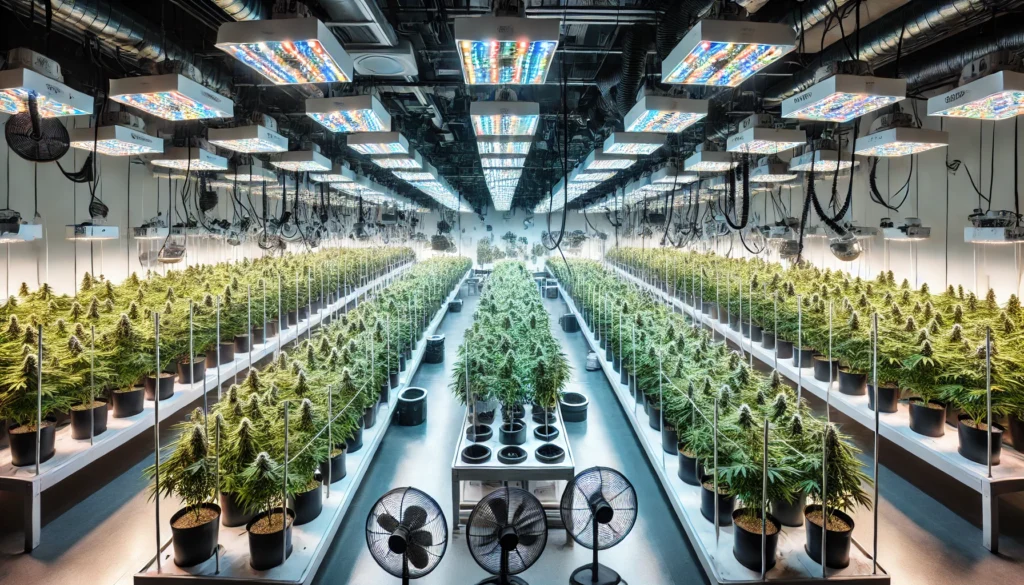
To achieve the best results in indoor cannabis cultivation, several key factors must be carefully considered and managed:
- Light: Cannabis plants require ample light for photosynthesis. High-intensity discharge (HID) lights, such as metal halide (MH) and high-pressure sodium (HPS) lamps, are popular choices for their effectiveness. Alternatively, LED lights are gaining popularity due to their energy efficiency and ability to provide a full spectrum of light. Ensure the lights are positioned correctly and provide adequate coverage for all plants.
- Temperature and Humidity: Maintaining the right temperature and humidity levels is crucial for cannabis growth. During the vegetative stage, temperatures should be kept between 70-85°F (21-29°C) with a relative humidity (RH) of 40-70%. During the flowering stage, temperatures should be slightly lower, between 65-80°F (18-26°C), with RH around 40-50%. Proper ventilation and air circulation help prevent mold and mildew, ensuring healthy plants.
- Growing Medium: The choice of growing medium affects the plant’s nutrient uptake and overall health. Common options include soil, coco coir, and hydroponic systems. Each medium has its benefits and requires different management techniques. Soil is the most traditional medium, offering a buffer for nutrients and pH levels. Coco coir provides excellent aeration and water retention, while hydroponics allows for precise control over nutrient delivery.
- Nutrients: Cannabis plants require a balanced diet of macronutrients (nitrogen, phosphorus, potassium) and micronutrients (calcium, magnesium, iron). Commercially available nutrient solutions are formulated specifically for cannabis and can be adjusted according to the plant’s growth stage. It’s important to follow the manufacturer’s instructions and monitor the plants for any signs of nutrient deficiencies or excesses.
- Watering: Proper watering is essential for healthy cannabis plants. Overwatering can lead to root rot, while underwatering can stress the plants and stunt their growth. It’s crucial to establish a watering schedule based on the plant’s needs and the growing medium used. Using pH-balanced water (6.0-7.0 for soil, 5.5-6.5 for hydroponics) ensures optimal nutrient absorption.
- Ventilation: Good air circulation is vital for preventing mold and pests. An exhaust system with fans and carbon filters helps remove stale air, control odors, and maintain a fresh air supply. Oscillating fans within the grow room promote even airflow, strengthening the plants and reducing the risk of mold.
- Plant Training: Techniques such as topping, low-stress training (LST), and defoliation can help maximize light exposure and increase yields. Topping involves cutting the main stem to encourage bushier growth, while LST involves gently bending and securing branches to create an even canopy. Defoliation, or removing excess leaves, improves light penetration and air circulation.
By carefully managing these factors, indoor growers can create an optimal environment for cannabis cultivation, leading to healthy plants and abundant harvests. The next section will delve deeper into the specific steps and techniques for setting up and maintaining an indoor grow room.
Read- The Complete Guide To Germinating Cannabis Seeds
Setting Up Your Indoor Grow Room
Setting up an indoor grow room requires careful planning and attention to detail. By following these steps, you can create an optimal environment for your cannabis plants to thrive.
1. Choosing the Right Space
Selecting the right space is crucial for a successful indoor grow operation. The size of the room will depend on the number of plants you plan to grow. Common spaces include spare bedrooms, basements, closets, or even custom-built grow tents. Ensure the space is clean, easily accessible, and has sufficient electrical outlets to support lighting and ventilation systems.
2. Setting Up Lighting
Lighting is one of the most critical components of indoor cannabis growing. Depending on your budget and preferences, you can choose from several types of grow lights:
- High-Intensity Discharge (HID) Lights: These include Metal Halide (MH) and High-Pressure Sodium (HPS) lights. MH lights are ideal for the vegetative stage, while HPS lights are better for the flowering stage. HID lights require ballasts and reflectors to operate efficiently.
- LED Lights: LED grow lights are energy-efficient and produce less heat than HID lights. They offer a full spectrum of light, making them suitable for both vegetative and flowering stages. While initially more expensive, they save money in the long run due to lower electricity consumption and longer lifespan.
- Fluorescent Lights: T5 and CFL lights are suitable for small grow operations or seedlings and clones. They are less intense than HID and LED lights but can be useful for supplementary lighting.
Position the lights to cover the entire canopy of your plants evenly. Adjust the height of the lights as your plants grow to maintain optimal light intensity and prevent light burn.
3. Controlling Temperature and Humidity
Maintaining the right temperature and humidity levels is crucial for cannabis growth. Use heaters or air conditioners to control temperature, and humidifiers or dehumidifiers to regulate humidity. A digital thermometer and hygrometer will help you monitor these levels accurately.
During the vegetative stage, keep temperatures between 70-85°F (21-29°C) with 40-70% humidity. In the flowering stage, lower the temperature to 65-80°F (18-26°C) and reduce humidity to 40-50%.
4. Ventilation and Air Circulation
Proper ventilation is essential to prevent mold, mildew, and pests. Install an exhaust system with an inline fan and carbon filter to remove stale air and control odors. Ensure a constant supply of fresh air by placing an intake fan or leaving vents open.
Use oscillating fans to promote air circulation within the grow room. This helps strengthen the plants, prevents hotspots, and distributes CO2 evenly.
5. Choosing a Growing Medium
Selecting the right growing medium depends on your preferences and experience level. Common options include:
- Soil: The most traditional and forgiving medium, soil provides a natural buffer for nutrients and pH levels. Use high-quality, organic soil with added perlite for better aeration and drainage.
- Coco Coir: Made from coconut husks, coco coir offers excellent aeration and water retention. It is pH-neutral and can be used with hydroponic nutrients.
- Hydroponics: This soilless method involves growing plants in a nutrient-rich water solution. Hydroponic systems, such as Deep Water Culture (DWC), Aeroponics, and Drip Systems, allow for precise control over nutrient delivery and faster growth rates.
6. Nutrient Management
Cannabis plants require a balanced diet of macronutrients (nitrogen, phosphorus, potassium) and micronutrients (calcium, magnesium, iron). Commercial nutrient solutions are available in formulations specific to cannabis and can be adjusted according to the plant’s growth stage.
- Vegetative Stage: High nitrogen levels are essential for vigorous growth. Look for nutrient solutions with an N-P-K ratio of 3-1-2 or similar.
- Flowering Stage: During flowering, plants need more phosphorus and potassium to support bud development. Use a nutrient solution with an N-P-K ratio of 1-3-2 or similar.
Follow the manufacturer’s instructions and monitor your plants for any signs of nutrient deficiencies or excesses, such as yellowing leaves or burnt tips.
7. Watering Techniques
Proper watering is crucial to prevent root rot and other issues. Allow the top inch of soil to dry out before watering again. Use pH-balanced water (6.0-7.0 for soil, 5.5-6.5 for hydroponics) to ensure optimal nutrient absorption.
By setting up your indoor grow room with these considerations in mind, you’ll create a conducive environment for healthy, productive cannabis plants. Next, we’ll explore the final stages of the growing process, including plant training, pest management, and harvesting techniques.
8. Plant Training Techniques
Plant training is essential for maximizing light exposure and increasing yields. Several techniques can help achieve this:
- Topping: Topping involves cutting off the main stem’s top to encourage the plant to grow more branches, resulting in a bushier structure. This method allows more light to penetrate the lower parts of the plant, promoting even growth and increasing the overall yield.
- Low-Stress Training (LST): LST involves gently bending and tying down branches to create a more horizontal canopy. This technique maximizes light exposure to all parts of the plant and helps manage plant height, making it ideal for grow rooms with limited vertical space.
- Screen of Green (ScrOG): ScrOG involves placing a screen or net above the plants and training the branches to grow horizontally through the screen. This technique ensures even light distribution and can significantly boost yields by allowing multiple bud sites to develop.
- Defoliation: Defoliation involves removing excess leaves that block light from reaching lower bud sites. This technique improves air circulation and light penetration, reducing the risk of mold and mildew.
9. Pest Management
Even in a controlled indoor environment, pests can pose a threat to cannabis plants. Implementing integrated pest management (IPM) strategies can help prevent and control pest infestations:
- Prevention: Keep the grow room clean and free of debris. Use sterile equipment and avoid introducing plants from outside sources without quarantining them first.
- Monitoring: Regularly inspect plants for signs of pests, such as discolored leaves, holes, or webbing. Sticky traps can help monitor flying insects like fungus gnats and whiteflies.
- Biological Control: Introduce beneficial insects, such as ladybugs and predatory mites, to control pest populations naturally. These beneficial insects prey on common cannabis pests like aphids, spider mites, and thrips.
- Organic Pesticides: If pest infestations occur, use organic pesticides like neem oil, insecticidal soap, or diatomaceous earth. These products are safe for plants and the environment when used correctly.
10. Harvesting Techniques
Knowing when and how to harvest cannabis is crucial for maximizing potency and yield. Follow these steps for a successful harvest:
- Timing: Harvesting at the right time ensures optimal potency and flavor. Monitor the trichomes (tiny resin glands) on the buds using a magnifying glass or microscope. When the majority of trichomes turn milky white with a few amber ones, it’s time to harvest.
- Flushing: About two weeks before harvest, flush the plants with plain, pH-balanced water to remove any residual nutrients. This process improves the taste and smoothness of the final product.
- Cutting: Use sterilized scissors or pruning shears to cut the branches at the base. Handle the plants gently to avoid damaging the buds.
- Drying: Hang the branches upside down in a dark, well-ventilated room with temperatures between 60-70°F (15-21°C) and humidity around 50%. This process usually takes 7-10 days. Proper drying ensures the buds retain their potency and flavor.
- Trimming: Once the buds are dry, trim off excess leaves and stems. This step improves the appearance and quality of the final product.
- Curing: Place the trimmed buds in airtight glass jars and store them in a cool, dark place. Open the jars daily for the first week to allow moisture to escape, then less frequently over the next few weeks. Curing enhances the flavor and smoothness of the cannabis.
Conclusion
Indoor cannabis growing offers numerous advantages, from complete control over the growing environment to the ability to harvest year-round. By carefully managing factors such as light, temperature, humidity, and nutrients, you can create an optimal setting for your plants to thrive. Plant training techniques and pest management strategies further enhance your grow operation, leading to healthy, high-yielding plants.
Understanding the entire growing process, from setting up your grow room to harvesting and curing your buds, ensures you achieve the best possible results. With dedication, attention to detail, and the right resources, indoor cannabis cultivation in Canada can be a rewarding and fruitful endeavor, providing you with top-quality cannabis for personal or medicinal use. Whether you’re a seasoned grower or a beginner, this comprehensive guide equips you with the knowledge and tools to succeed in your indoor growing journey.