
Cannabidiol (CBD) has gained immense popularity in recent years due to its potential health benefits. From reducing anxiety to promoting relaxation, CBD is now widely used in a variety of products, including oils, edibles, and topicals. However, the process of producing CBD oil starts long before it reaches the shelves of health stores. It begins with the cultivation of CBD-rich cannabis plants, and at the heart of this process are CBD seeds. In this blog, we will explore how CBD seeds are processed and their role in CBD oil production.
What Are CBD Seeds?
CBD seeds are the starting point for growing hemp or cannabis plants that are rich in cannabidiol, a non-psychoactive compound found in the cannabis plant. Unlike THC, which is the psychoactive element responsible for the “high” effect, CBD does not cause any intoxicating effects. CBD seeds are specifically bred from cannabis plants that contain high concentrations of CBD, ensuring the final plant will produce CBD-rich flowers, which are harvested for extraction.
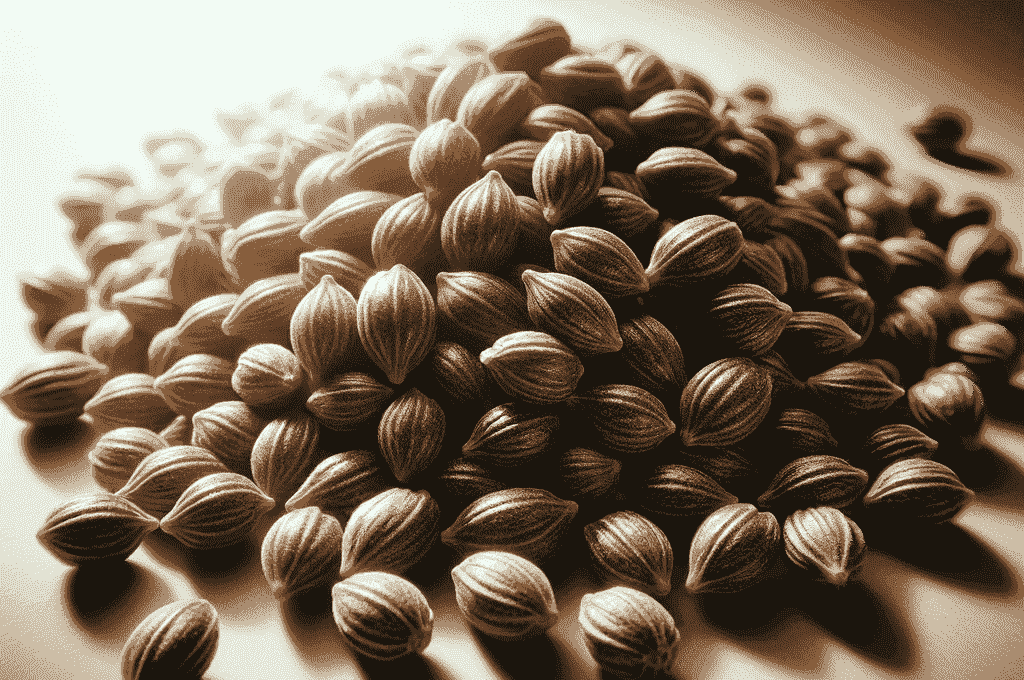
These seeds are crucial for the entire CBD production process. They come in various forms, such as feminized seeds, regular seeds, and autoflowering seeds, each serving a specific purpose depending on the grower’s needs. The seeds can be planted to grow cannabis plants that are used to extract CBD oil.
The Journey of CBD Seeds: From Planting to Harvest
The Planting Process
The journey of CBD oil production begins with planting the CBD seeds in soil or hydroponic systems. The quality of soil plays an essential role in the development of the plants, and hemp plants, specifically, thrive in nutrient-rich, well-drained soil.
Before planting, growers should choose the right seed variety suited to their growing environment. Feminized seeds are particularly popular as they produce only female plants, which are more productive and less prone to unwanted male pollination. On the other hand, autoflowering seeds are an excellent choice for those looking for fast-growing plants that do not depend on light cycles for flowering.
Germination of CBD Seeds
Once planted, CBD seeds must undergo germination, a process where the seed begins to sprout and grow into a young seedling. Germination usually takes about 3 to 10 days, depending on environmental conditions. The seeds require moisture, warmth, and darkness to begin sprouting, which is why many growers place them in a controlled environment, such as a germination tray or a grow room with a consistent temperature and humidity level.
Proper germination is vital to ensure the health of the plant and its ability to produce high levels of CBD. Failure to properly germinate seeds can lead to weak or stunted plants, which will not yield quality CBD-rich flowers.
Growing CBD Plants
After germination, the seedlings are transferred to their final growing location, whether it’s in a greenhouse, indoor facility, or outdoor field. During the growing phase, the plants require specific nutrients to thrive, including nitrogen, phosphorus, and potassium. These nutrients help the plants develop healthy roots, stems, and leaves.
For CBD oil production, it’s important to ensure the plants are well-cared for to maximize CBD content. Regular monitoring for pests, diseases, and environmental factors is necessary to ensure the plants are free from contamination. Furthermore, the use of organic growing methods is highly recommended to produce clean, high-quality CBD oil.
Harvesting CBD-Rich Flowers
Once the plants reach maturity, typically around 3 to 5 months after planting, it’s time for harvest. During this period, the plants produce large, dense buds full of CBD and other beneficial compounds like terpenes. Harvesting must be done at the right time when the CBD concentration in the buds is at its peak. If harvested too early, the plants may not have produced enough CBD, while harvesting too late can cause a decrease in CBD levels.
The flowers are carefully cut and separated from the rest of the plant, leaving the stems and leaves behind. These flowers, also known as hemp buds, are the main ingredient used in CBD oil extraction.
The Role of CBD Seeds in CBD Oil Production
The role of CBD seeds is crucial in CBD oil production, as they are the starting point for growing hemp plants that produce high-quality CBD-rich flowers. These seeds determine the plant’s CBD content and directly impact the final oil’s potency and purity.
CBD Oil Extraction Process
Once the CBD-rich flowers are harvested, the extraction process begins. There are several methods used to extract CBD from the plant material, the most common being CO2 extraction, solvent extraction, and oil infusion.
CO2 Extraction
CO2 extraction is considered one of the most effective and safest methods for extracting CBD oil. It uses pressurized carbon dioxide to pull out the cannabinoids and terpenes from the hemp flowers. This method results in a highly potent, pure CBD oil with minimal impurities. The extracted oil can then be refined further to remove any excess plant matter, leaving a concentrated CBD extract.
Solvent Extraction
Solvent extraction involves using a solvent, such as ethanol, butane, or propane, to dissolve the cannabinoids and terpenes from the hemp flowers. While this method is less expensive than CO2 extraction, it may leave behind traces of solvents that need to be removed during the refining process. Despite this, solvent extraction is still a popular choice among manufacturers for its cost-effectiveness.
Oil Infusion
Oil infusion is a more traditional method where the CBD flowers are infused into carrier oils such as olive oil or coconut oil. This method is usually used for homemade CBD oil or small-scale production. While effective, oil infusion results in lower concentrations of CBD compared to other extraction methods.
CBD Oil Refining and Filtration
After extraction, the raw CBD oil undergoes additional steps to purify and refine it. This may include removing chlorophyll, plant waxes, and other impurities, leaving behind a concentrated form of CBD oil. Filtration techniques such as winterization and decarboxylation are often employed to improve the oil’s quality.
Winterization is a process where the CBD oil is cooled to remove unwanted plant waxes, while decarboxylation involves heating the oil to activate the CBD, turning its acidic form into the more bioavailable CBD. This ensures that the oil is as effective as possible when consumed or used in products.
Final CBD Oil Products
The final CBD oil products may vary depending on the manufacturer’s processes. Some may produce full-spectrum CBD oil, which contains a range of cannabinoids and terpenes found in the hemp plant, while others may focus on creating CBD isolate, which contains 99% pure CBD. The choice of product depends on the desired effects, as full-spectrum oils are believed to work synergistically with other cannabinoids to provide the “entourage effect.”
Conclusion
CBD seeds play a critical role in the production of high-quality CBD oil. From the careful selection of seeds to the harvesting of CBD-rich flowers, each stage of the process contributes to the final product’s potency and purity. By understanding how CBD seeds are processed and the extraction methods used to produce CBD oil, consumers can make informed decisions when selecting CBD products for their needs. As the demand for CBD continues to grow, understanding the seed-to-oil journey will only become more important in ensuring that consumers receive the best possible products on the market.